Essential Life Skills Through Play-Based Education
Play is not just a way for children to pass the time; it is a fundamental aspect of their development. Through play-based education, children acquire essential life skills that will serve them throughout their lives. This blog post explores the significance of play in learning and how it fosters critical skills such as problem-solving, communication, and emotional intelligence.
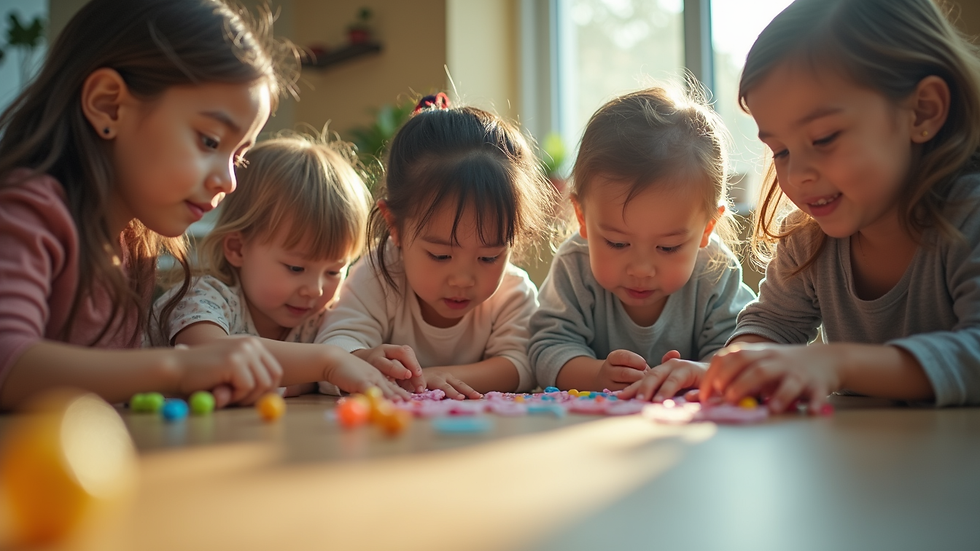
Understanding Play-Based Education
Play-based education is an approach that emphasizes the role of play in the learning process. It encourages children to explore, experiment, and engage with their environment in a way that is both enjoyable and educational. This method is grounded in the understanding that children learn best when they are actively involved in their learning experiences.
The Importance of Play
Natural Learning: Children are naturally curious and learn through exploration. Play provides them with the opportunity to investigate their surroundings and discover new concepts.
Social Skills Development: Through play, children learn to interact with others, share, and cooperate. These interactions are crucial for developing social skills that are essential in adulthood.
Cognitive Growth: Engaging in play stimulates cognitive development. Children learn to think critically, solve problems, and make decisions as they navigate various play scenarios.
Key Life Skills Developed Through Play
Problem-Solving Skills
Play-based education encourages children to face challenges and find solutions. For example, when children build a tower with blocks, they must figure out how to balance the pieces to prevent it from toppling over. This type of play fosters critical thinking and enhances their ability to approach problems logically.
Communication Skills
Effective communication is vital in all aspects of life. During play, children learn to express their thoughts and feelings, negotiate roles, and articulate their ideas. For instance, when playing a game that requires teamwork, children must communicate clearly to achieve a common goal. This practice helps them develop strong verbal and non-verbal communication skills.
Emotional Intelligence
Play allows children to explore their emotions and understand the feelings of others. Through role-playing games, they can experience different perspectives and learn empathy. For example, when children take turns playing different characters in a story, they gain insight into how others might feel in various situations. This understanding is crucial for building healthy relationships throughout their lives.
Practical Examples of Play-Based Learning
Outdoor Play
Outdoor play is an excellent way for children to develop essential life skills. Activities such as climbing, running, and playing games like tag promote physical health while also teaching children about teamwork and cooperation. For instance, a simple game of soccer requires players to communicate, strategize, and work together to score goals.
Creative Play
Creative play, such as drawing, painting, or building with blocks, allows children to express themselves and develop their imagination. This type of play encourages innovation and creativity, which are valuable skills in today’s world. For example, when children create a story using puppets, they learn to think outside the box and develop narrative skills.
Structured Play
Structured play, such as organized sports or group activities, provides children with opportunities to learn rules, follow instructions, and work as a team. These experiences are essential for developing discipline and understanding the importance of cooperation. For instance, participating in a team sport teaches children about commitment, resilience, and the value of working towards a common goal.
The Role of Educators and Parents
Educators and parents play a crucial role in facilitating play-based education. They can create an environment that encourages exploration and supports children’s learning through play. Here are some strategies:
Provide Resources: Offer a variety of materials and resources that stimulate creativity and exploration. This could include art supplies, building blocks, or outdoor play equipment.
Encourage Imaginative Play: Allow children to engage in role-playing and imaginative scenarios. This type of play fosters creativity and helps children develop social skills.
Be Involved: Participate in play with children. This involvement not only strengthens the bond between adults and children but also provides opportunities for teaching and guiding.
Challenges and Considerations
While play-based education offers numerous benefits, there are challenges to consider. Some educators may feel pressured to focus on standardized testing and academic achievement, which can limit opportunities for play. It is essential to advocate for the importance of play in education and to find a balance between academic goals and play-based learning.
Addressing Concerns
Integrate Play with Curriculum: Educators can find ways to incorporate play into the curriculum. For example, math concepts can be taught through games that involve counting or measuring.
Communicate with Stakeholders: Educators should communicate the benefits of play-based learning to parents and school administrators. Sharing research and success stories can help build support for this approach.
Conclusion
Play-based education is a powerful tool for developing essential life skills in children. Through play, children learn to solve problems, communicate effectively, and understand their emotions. By fostering an environment that encourages play, educators and parents can help children build a strong foundation for their future.
As we move forward, it is crucial to recognize the value of play in education and advocate for its inclusion in learning environments. By doing so, we can ensure that children not only succeed academically but also grow into well-rounded individuals equipped with the skills they need to thrive in life.
Encourage the children in your life to play, explore, and learn. The skills they develop through play will serve them well in their journey ahead.


Comments